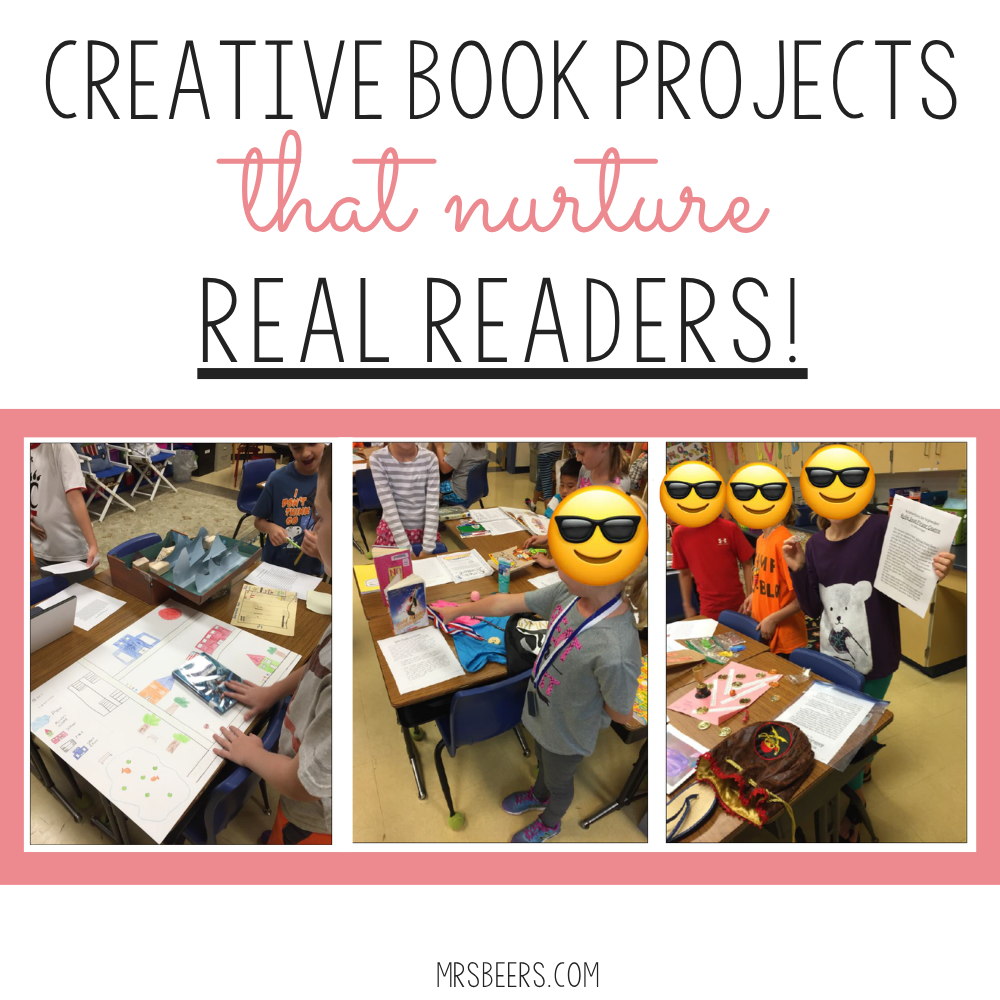
I have graded a LOT of book reports in 26 years of teaching. Same five paragraphs, same plot summary, same “the theme of this book is…” sentence matched across every report. It's often hard to tell if they even liked a single page of the story. The traditional book report follows a predictable template that never really gives them the chance to show what they ENJOYED about the book.
Emergency ELA Sub Plans
📨 Don't forget to join my email list for a free set of my ELA Sub Plans!
Back when I was teaching 5th grade, I decided to break away from the template approach to book reports. I wanted to offer choice, and I wanted to give students more creative freedom to share their favorite parts of the books they read. This is when I switched to the idea of “book projects” vs “book reports”. Here's what changed, and why I think book projects beat a traditional book report for most independent reading.
The Problem With “Book Reports”
A traditional book report usually asks for the same things every time: characters, setting, summary, maybe a theme statement. That structure is useful for teaching organization, but it also means every report ends up looking the same, no matter how different the books are.
It also means a student who fell in love with one small moment, a joke, a side character, an unexpected twist, has nowhere to put that in the assignment. They answer the questions on the page and move on. The report gets turned in, but unique insights get left behind because they're not a checklist item on the rubric.
You also have the deflating weight of a written assignment due at the end of reading. They'll finish a book they enjoyed, but staring at a blank report paper makes the whole experience feel like punishment. We want to inspire kids who WANT to read, not make them dread the paperwork that comes after.
Creative Book Report Alternatives Students Actually Enjoy
Incorporating creative project elements instead of a report, and offering a choice of project formats, creates a more engaging way to share what you just read. Instead of one fixed format, students choose from a menu of project options, and the format itself becomes part of how they show what they understood.
This creative outlet provides the real value here. A student can cover the standard rubric elements such as character, plot, and theme, AND still have the opportunity to surface smaller parts of the book that stood out to them. A funny side character. A moment that surprised them. A detail that never would have fit into a five-paragraph structure but they reflected on it for days after reading the story.
A student working on a Character Trading Card project might build cards for the main character AND a secondary character they thought was hilarious. A student doing a Diorama might include a pet or personal item that only showed up in one chapter. Neither of those creative choices fits into a traditional report format, but they're exactly the kind of connection that tells me a student actually READ and enjoyed the book.
A book report measures whether a student can summarize a story's literary elements. A book project where the student connected with the book. And as long as you include some structure with your projects, you can accomplish both things at once.
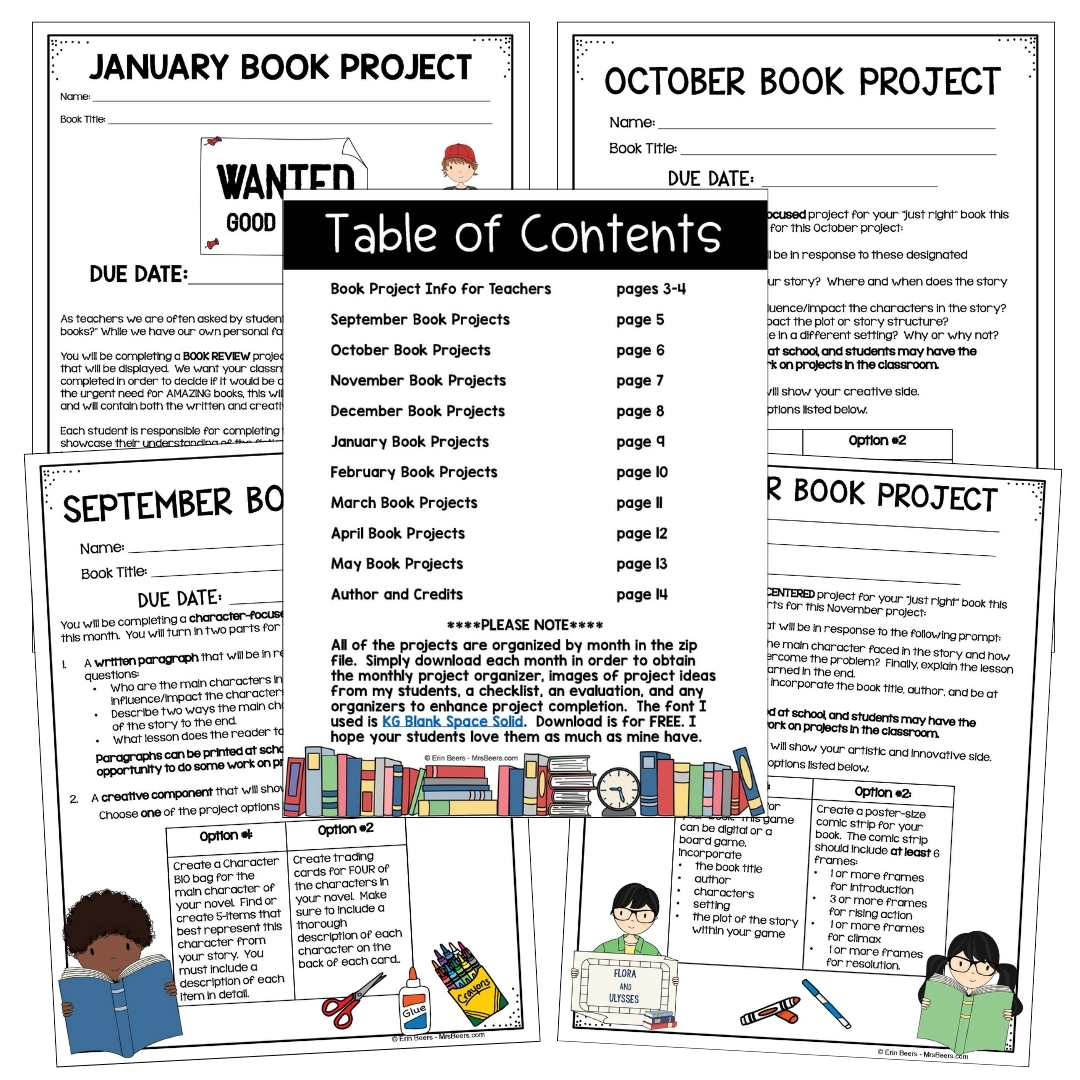
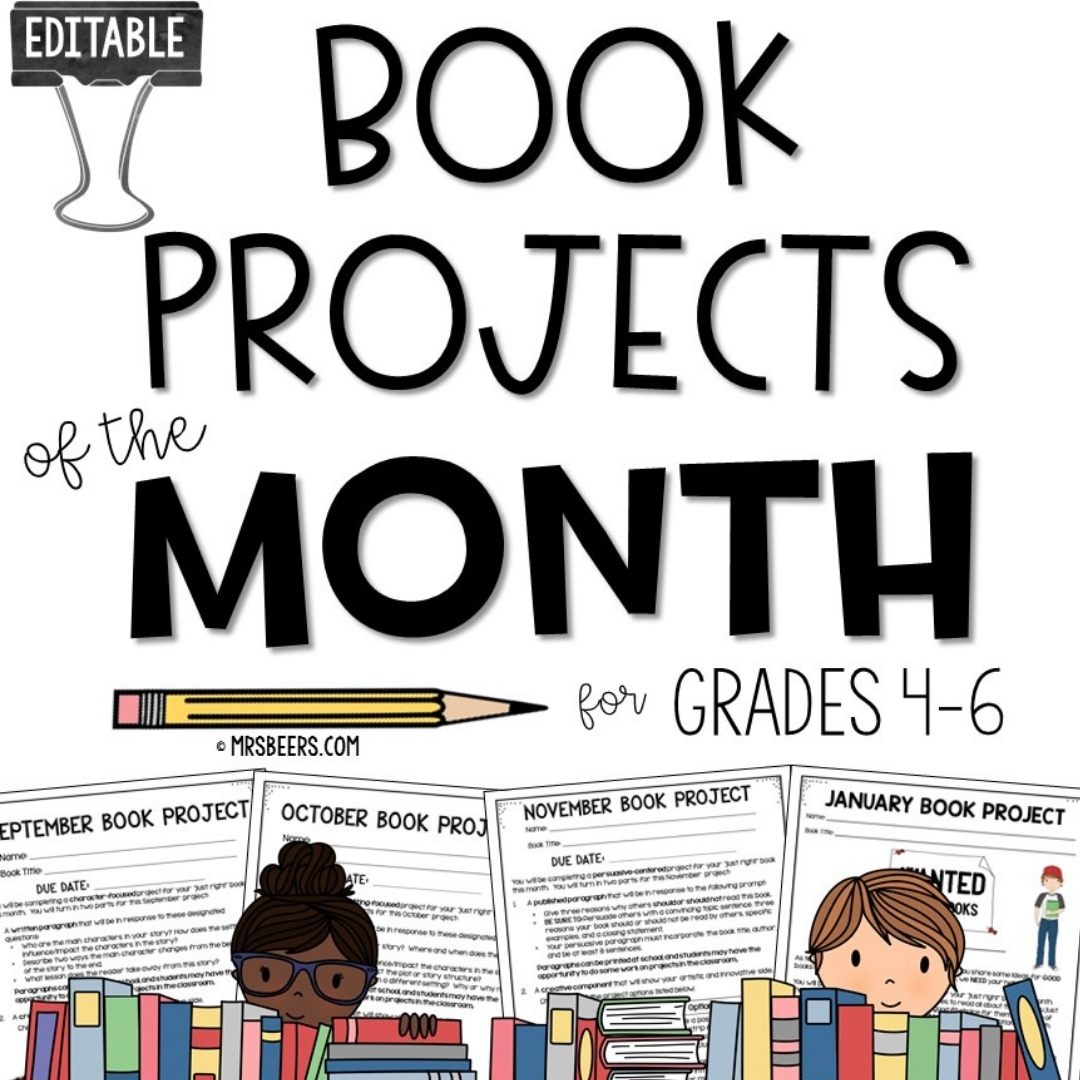
If you want to offer this type of flexibility without building it from scratch every month, my Book Projects of the Month bundle gives students two project choices every month, September through May, with the project checklists and rubrics done for you.
My Favorite Book Report Alternatives
IF you are creating your own menu of book projects, here are some ideas that my 4th through 6th graders love…
- Character Trading Cards: Draw and include 3 facts or quotes from 4 different characters
- Character BIO Bags: Even the bag itself can be a prop 😉
- Main Character Sculptures: Legos work well and aren't messy!
- Dioramas: Choose a “pivotal” scene from the story to build
When students get to choose HOW they show what they know, they end up showing you more.
Perfect for Self-Selected Reading
The traditional book report still has its place, especially if you are teaching summary or essay structure as a skill. But for independent and self-selected reading, where the goal is building a love of reading, book projects consistently get me more engagement, more effort, and more real conversation about the books. They are also more enjoyable to grade as well. If you want to see more of why my students don't hate this kind of project, I wrote about it in an earlier post.
If you want to try this shift in your own classroom, my Book Projects of the Month bundle gives you a full year of ready-to-use project choices, September through May, so you're never scrambling to plan the next round. Each month includes two project options, printable and editable checklists, and built-in teacher rubrics to make grading easy. I also included an editable PowerPoint file in case you want to add your own project ideas down the road.